Financial stability is not unattainable; it is the result of proper planning, discipline, and well-defined methods. Whether your goal is to save money, eliminate debt, or simply gain better control over your spending, choosing the right budgeting method is a crucial step. Below are three widely used and time-tested budgeting approaches that remain highly effective.
1. The 50/30/20 Rule
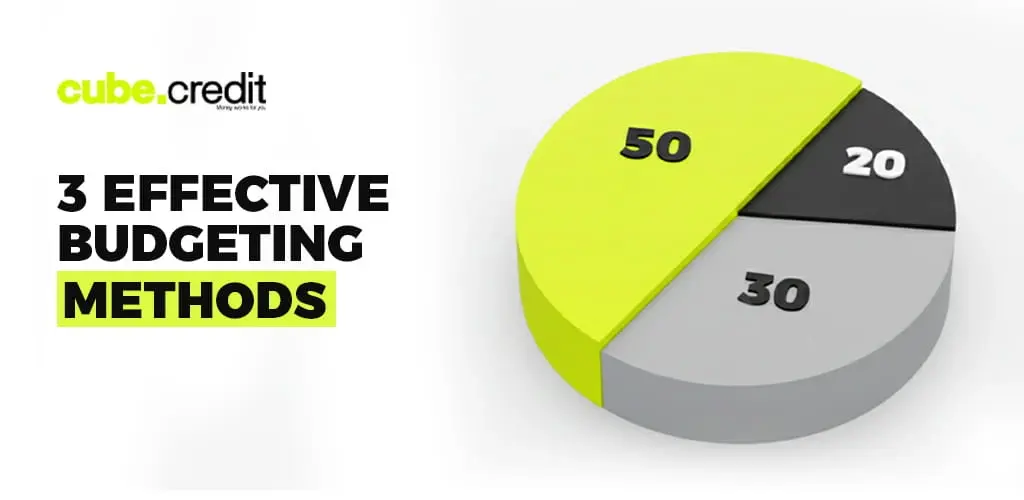
The 50/30/20 rule is one of the simplest and most widely adopted budgeting methods. It is based on allocating your income into three main categories.
50% – Essential Expenses
This portion covers unavoidable, necessary costs such as utilities, groceries, transportation, and loan repayments.
30% – Discretionary Expenses
These are more flexible, voluntary expenses, including entertainment, travel, dining out, shopping, and hobbies.
20% – Savings and Investments
This allocation is dedicated to building your future and achieving financial goals. In today’s environment, investing has become increasingly relevant, as saving alone is often insufficient to generate long-term financial growth.
The key advantage of this method lies in its simplicity. It is easy to implement and helps maintain financial balance without requiring complex calculations.
2. The Envelope Method
The Envelope Method is based on strict expense control and is particularly effective for individuals who tend to exceed their planned budget.
The concept is straightforward: your monthly income is divided into spending categories, with each category assigned a separate “envelope” (physical or digital), such as groceries, transportation, or entertainment. Once the allocated amount in an envelope is depleted, no further spending is allowed in that category until it is replenished.
This method fosters financial discipline, increases spending awareness, and significantly reduces impulsive purchases.
3. Zero-Based Budgeting
Zero-Based Budgeting is one of the most detailed and controlled budgeting methods. Under this approach, every unit of income is assigned a specific purpose at the beginning of the month. Your total income is allocated across expenses, savings, and debt repayments in such a way that the remaining balance equals zero.
This does not mean you do not save money; on the contrary, savings are treated as a mandatory allocation. While this method requires time and attention, it provides maximum control and efficiency, especially for individuals with variable income.
Selecting the right budgeting method depends on your financial goals, lifestyle, and level of financial discipline.
Regardless of the method you choose, it is important to view a budget not as a limitation, but as a strategic tool for building financial confidence and long-term stability.
1. The 50/30/20 Rule
The 50/30/20 rule is one of the simplest and most widely adopted budgeting methods. It is based on allocating your income into three main categories.
50% – Essential Expenses
This portion covers unavoidable, necessary costs such as utilities, groceries, transportation, and loan repayments.
30% – Discretionary Expenses
These are more flexible, voluntary expenses, including entertainment, travel, dining out, shopping, and hobbies.
20% – Savings and Investments
This allocation is dedicated to building your future and achieving financial goals. In today’s environment, investing has become increasingly relevant, as saving alone is often insufficient to generate long-term financial growth.
The key advantage of this method lies in its simplicity. It is easy to implement and helps maintain financial balance without requiring complex calculations.
2. The Envelope Method
The Envelope Method is based on strict expense control and is particularly effective for individuals who tend to exceed their planned budget.
The concept is straightforward: your monthly income is divided into spending categories, with each category assigned a separate “envelope” (physical or digital), such as groceries, transportation, or entertainment. Once the allocated amount in an envelope is depleted, no further spending is allowed in that category until it is replenished.
This method fosters financial discipline, increases spending awareness, and significantly reduces impulsive purchases.
3. Zero-Based Budgeting
Zero-Based Budgeting is one of the most detailed and controlled budgeting methods. Under this approach, every unit of income is assigned a specific purpose at the beginning of the month. Your total income is allocated across expenses, savings, and debt repayments in such a way that the remaining balance equals zero.
This does not mean you do not save money; on the contrary, savings are treated as a mandatory allocation. While this method requires time and attention, it provides maximum control and efficiency, especially for individuals with variable income.
Selecting the right budgeting method depends on your financial goals, lifestyle, and level of financial discipline.
Regardless of the method you choose, it is important to view a budget not as a limitation, but as a strategic tool for building financial confidence and long-term stability.